

Introduction
In our fast-paced, hyper-connected world, stress has become more than just an occasional visitor—it’s now a constant companion for many. Whether it’s due to long work hours, family responsibilities, health worries, or even social media overload, chronic stress affects both our minds and bodies. What if the most accessible remedy didn’t come from a prescription bottle but from something as simple as movement? Physical activity is one of the most powerful and natural tools for managing stress. This article explores how exercise reduces stress hormones, boosts mental clarity, relieves muscle tension, and includes the best workouts for soothing the body and calming the mind.
Understanding the Toll of Stress
Stress is a biological reaction that happens when we perceive a threat, demand, or change. When you encounter stress, your body releases a cocktail of hormones like adrenaline and cortisol, preparing you to either fight or flee. While this response was once essential for survival, today it often kicks in when dealing with non-life-threatening issues like emails, traffic, or deadlines. When stress becomes chronic, your body remains in a constant state of alert. This can lead to elevated blood pressure, insomnia, digestive problems, weight gain, anxiety, and even depression.
In addition to its physical symptoms, stress affects your cognitive and emotional health. You may find it difficult to focus, become easily irritated, or feel overwhelmed by tasks that once felt simple. Over time, chronic stress can weaken your immune system, making you more susceptible to illness and fatigue. This is why stress management is not a luxury—it’s a necessity.
The Role of Cortisol: The Stress Hormone
Cortisol is produced by your adrenal glands and plays an essential role in regulating metabolism, blood sugar levels, and inflammation. In stressful situations, cortisol floods your bloodstream to help increase energy and focus. However, when your body continually releases cortisol due to prolonged stress, it becomes harmful.
Excess cortisol can lead to a host of negative effects. It increases fat storage, particularly around the abdomen, disrupts sleep cycles, and interferes with brain function. You may find yourself more anxious, forgetful, or emotionally reactive. Fortunately, physical activity is one of the most effective ways to regulate cortisol levels naturally.
How Exercise Reduces Cortisol and Alleviates Stress
Exercise acts like a natural reset button for the stress response system. During physical activity, cortisol levels temporarily rise, especially during high-intensity workouts. However, after the exercise session ends, cortisol levels drop significantly—often to lower levels than before the workout began. This helps bring the body back to a state of balance, known as homeostasis.
Beyond lowering cortisol, exercise increases the production of endorphins—your body’s natural painkillers and mood elevators. Endorphins interact with receptors in your brain to reduce the perception of pain and trigger feelings of happiness and euphoria. Exercise also stimulates the release of dopamine and serotonin, two neurotransmitters involved in mood regulation, focus, and sleep.
Moreover, physical activity diverts your attention from stressful thoughts. It forces you to focus on your body and breath, disrupting the cycle of worry and negative thinking. This is why so many people feel calmer, clearer, and more focused after a workout.
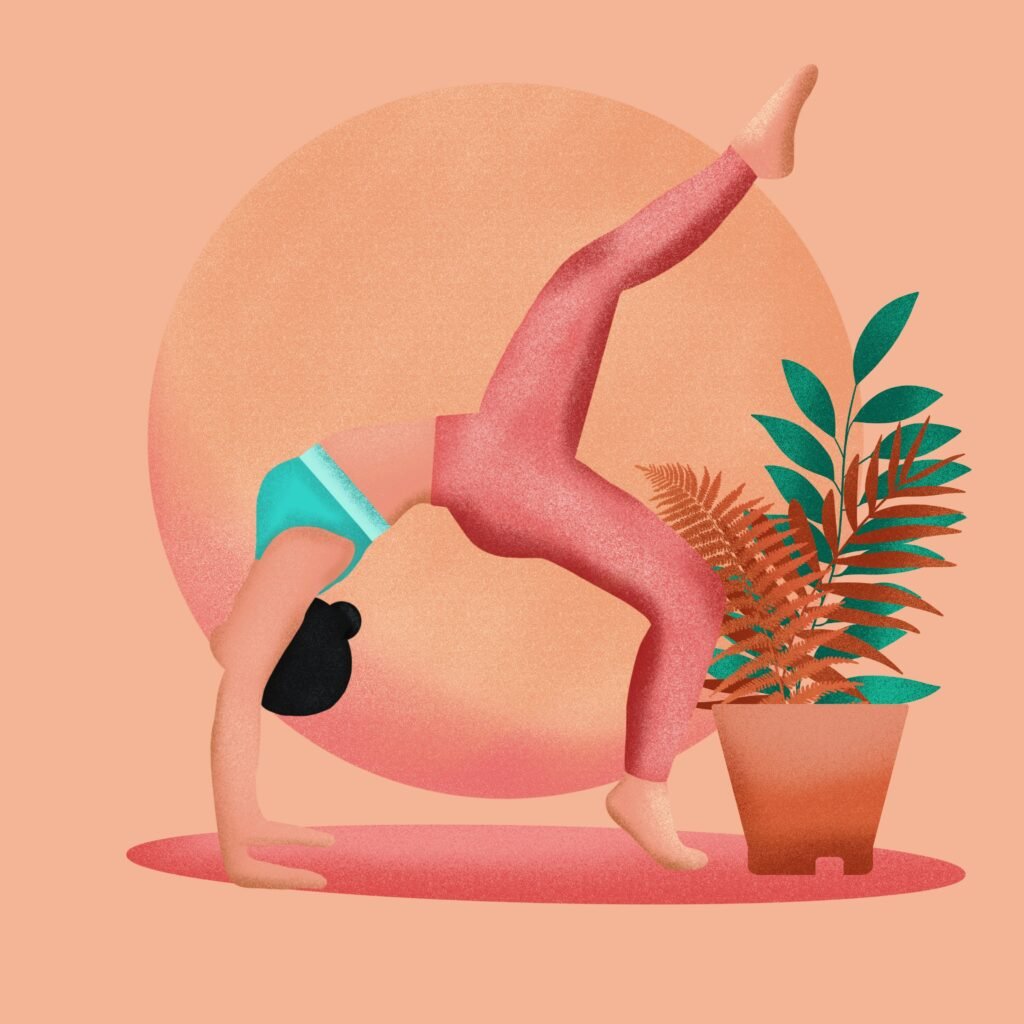
Best Workouts for Stress Relief
Not all exercise affects stress in the same way. While any form of movement is better than none, certain workouts are particularly effective for soothing the nervous system and providing mental clarity. The best workouts for stress relief tend to be rhythmic, grounding, and enjoyable. Here are three standout options:
Yoga: Cultivating Calm Through Mindful Movement
Yoga is a practice that integrates physical poses, breathing techniques, and meditation. It originated in ancient India and has grown into a global wellness movement. Unlike traditional exercise routines that may emphasize calorie burn or performance, yoga focuses on mindfulness and connection between the body and mind.
Through slow, intentional movement and breath control, yoga activates the parasympathetic nervous system—the branch responsible for rest, relaxation, and recovery. It helps reduce cortisol levels, improve sleep quality, and balance emotions. Regular yoga practice can increase body awareness and reduce the severity of stress-related conditions like anxiety, panic attacks, and tension headaches.
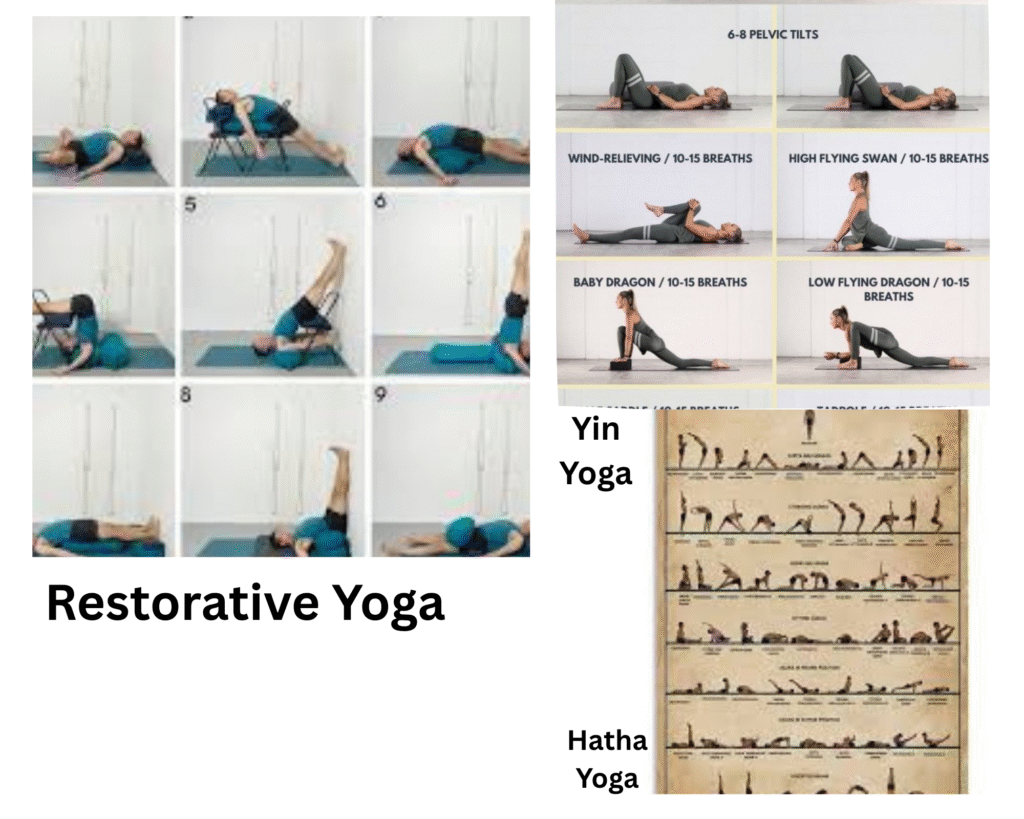
Specific styles of yoga for stress relief include:
Hatha Yoga: A gentle form that emphasizes breath and alignment.
Yin Yoga: Involves deep stretching with long-held poses to target fascia and release emotional tension.
Restorative Yoga: Uses props to support the body in restful positions, ideal for nervous system reset.
Practicing yoga for even 15–30 minutes a day can produce noticeable changes in your mood, energy, and overall stress levels.
Walking: Simple, Rhythmic, and Grounding
Walking may seem too simple to be powerful, but it’s one of the most underrated stress relief tools available. It doesn’t require equipment, special clothing, or a gym membership. Yet walking offers a multitude of benefits for both the body and the mind.
As you walk, your heart rate increases slightly, stimulating blood flow and encouraging the release of endorphins. If you walk at a brisk pace for 30 minutes or more, your body begins to reduce stress hormone levels, stabilize mood, and improve circulation. The rhythmic nature of walking also promotes mindfulness—it helps you stay present, focus on your surroundings, and clear your mind.
For maximum stress relief, try walking in nature. Known as “green exercise,” this practice combines movement with exposure to natural environments. Walking through a forest, park, or beach can lower blood pressure, decrease rumination, and promote feelings of peace and connectedness.

Dancing: Joyful Expression in Motion
Dancing is one of the most joyful and liberating ways to move your body. It’s not just a physical activity—it’s an emotional release. Whether you’re doing structured choreography in a class or dancing freely to your favorite song at home, the act of dancing allows you to express emotions, release tension, and connect to the moment.
Dance activates multiple brain regions responsible for memory, coordination, and emotion. It encourages spontaneity and self-expression, which are often stifled by stress and routine. Studies have shown that dance reduces levels of depression, anxiety, and stress hormones, while also improving self-esteem and body image.
For those who don’t consider themselves “dancers,” remember that there’s no right way to move—what matters is how it makes you feel. Whether it’s a Zumba class, a TikTok routine, or a personal living room solo session, dancing can be your personal form of therapy.

Mental Clarity Through Movement
Physical activity does more than just relieve physical tension—it sharpens your mind. When you’re stressed, your ability to concentrate, make decisions, and think clearly can suffer. Exercise improves these cognitive functions by increasing blood flow and oxygen to the brain. This boosts mental energy, enhances memory, and improves overall cognitive flexibility.
Regular physical activity has been linked to increased neuroplasticity—the brain’s ability to form new neural connections. Exercise also encourages the release of brain-derived neurotrophic factor (BDNF), a protein that supports brain health and helps reduce symptoms of depression and anxiety.
Movement helps you stay grounded in the present. Whether it’s the rhythm of your feet during a walk, the flow of your breath in yoga, or the beat of the music as you dance, physical activity engages your senses and breaks the cycle of mental clutter. Many people report experiencing “exercise-induced mindfulness,” a meditative state that brings emotional clarity and calm.
Stretching to Relieve Muscle Tension
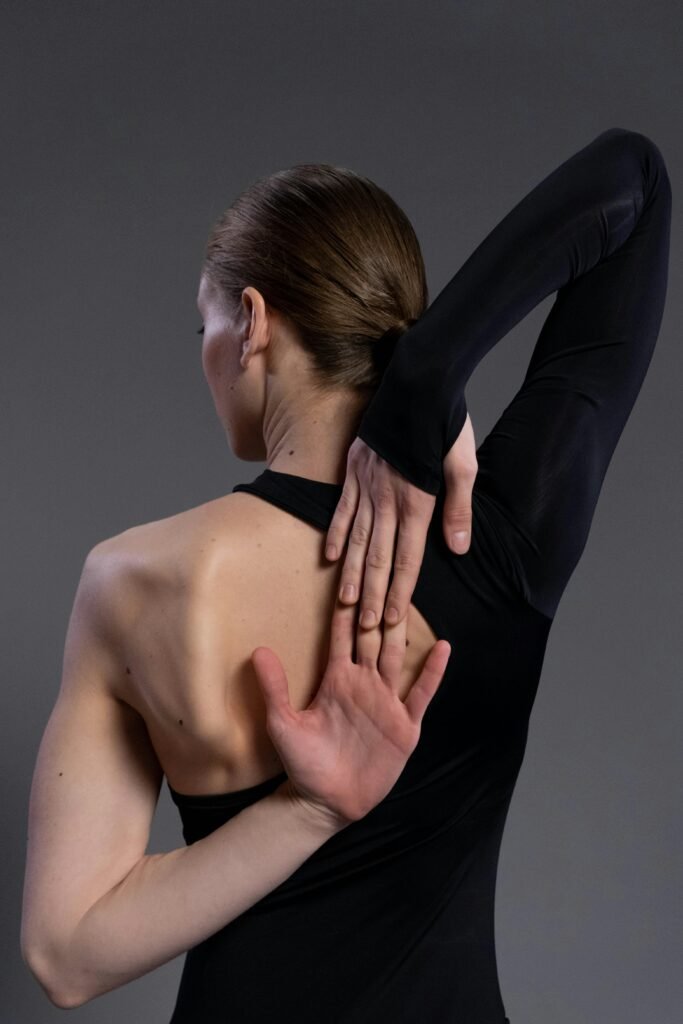
Stress often lives in the body in the form of tight shoulders, a stiff neck, clenched jaws, and aching backs. Stretching is a gentle yet powerful way to release this stored tension and improve physical and emotional well-being.
Stretching helps:
- Lengthen tight muscles, improving posture and range of motion
- Stimulate the parasympathetic nervous system, encouraging relaxation
- Increase circulation, which promotes healing and reduces fatigue
- Enhance body awareness, allowing you to detect and ease tension before it worsens
Here’s a simple 10-minute stretching routine you can do daily:
Neck Rolls (1 minute): Slowly circle your head to the left and right to release neck tension.
Shoulder Shrugs and Circles (1 minute): Loosen the shoulders and upper back.
Child’s Pose (2 minutes): Gently stretches the spine, hips, and thighs.
Seated Forward Fold (2 minutes): Calms the nervous system and stretches the back
Hip Flexor Stretch (2 minutes each leg): Opens up the front of the hips, ideal after long periods of sitting.
Stretching can be especially effective when paired with deep breathing or soothing music. It’s a mindful practice that not only relieves tension but also reconnects you with your body.
Building a Daily Movement Routine
The most effective stress relief routine is one you can stick to. You don’t need hours in the gym—just consistent, intentional movement.
Sample Daily Routine:
Morning (10 minutes): Gentle yoga or dynamic stretches to start the day.
Midday (20–30 minutes): Brisk walk or dance session to refresh focus.
Evening (15 minutes): Restorative stretching to prepare for sleep.
Aim for at least 150 minutes of moderate exercise per week, and include 2 sessions of strength training for muscular support. Even small bursts of movement throughout the day—like a five-minute stretch break or walking during phone calls—can have a big impact.
Safety and Considerations
Before starting any new exercise routine, it’s important to listen to your body. Start slowly, especially if you’ve been sedentary, and consult with a healthcare provider if you have existing health conditions. Stay hydrated, warm up before activity, and include rest days for recovery.
Exercise is a powerful tool, but it isn’t a cure-all. If you’re experiencing chronic anxiety, depression, or trauma-related stress, combining physical activity with professional therapy or counseling can provide the most holistic support.
Real Stories of Stress Relief Through Movement
- Maria, a 34-year-old corporate lawyer, struggled with insomnia and back pain due to work stress. She began attending evening yoga classes and replaced her coffee breaks with short walks. Within three months, her sleep improved and she felt emotionally balanced for the first time in years.
- Jamal, a 22-year-old college student, dealt with isolation and anxiety during the pandemic. He started posting dance videos online as a creative outlet. Not only did this relieve his anxiety, but it also helped him connect with a new community.
- Elaine, 55, a full-time caregiver, felt physically and emotionally depleted. She began practicing restorative yoga every night and walking in the local botanical garden twice a week. Movement became her sanctuary, giving her strength to continue her caregiving role.
Final Thoughts: Move Toward Peace
Stress may be inevitable, but suffering doesn’t have to be. Movement is one of the most natural, empowering, and effective remedies we have. Whether it’s through a calming yoga flow, a cathartic dance session, or a quiet walk in the woods, physical activity offers a pathway out of overwhelm and into peace.
You don’t need to be an athlete or have hours of free time. All you need is the willingness to start—one step, one stretch, one breath at a time.