

A Comprehensive Guide to Holistic Wellness
Introduction
In today’s fast-paced world, many individuals seek natural alternatives to support their health and well-being. Natural remedies and aromatherapy have gained popularity as holistic approaches to address various ailments and enhance overall quality of life. This article explores the benefits, applications, and considerations of incorporating these practices into daily routines.
Understanding Natural Remedies
What Are Natural Remedies?
Natural remedies encompass treatments derived from natural sources, including herbs, plants, and other organic materials. These remedies have been utilized for centuries across different cultures to prevent and treat illnesses.
Common Natural Remedies and Their Uses
Turmeric: Known for its anti-inflammatory properties, turmeric is often used to alleviate pain and inflammation.
Ginger: Commonly used to relieve nausea and digestive issues, ginger also possesses anti-inflammatory effects.
Eucalyptus Oil: Used for its analgesic properties, eucalyptus oil can help relieve pain and is often inhaled to alleviate respiratory issues.
Peppermint: Employed to soothe headaches and digestive discomfort, peppermint oil can be applied topically or inhaled.
Exploring Aromatherapy
What Is Aromatherapy?
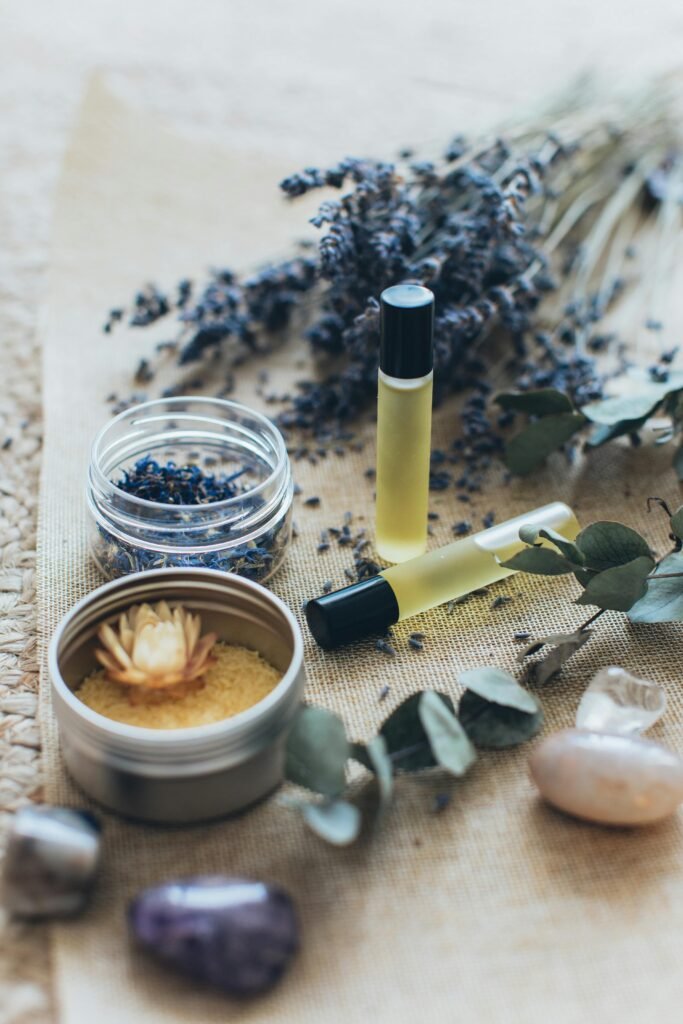
Aromatherapy is a holistic healing practice that utilizes essential oils extracted from plants to promote physical and emotional well-being. These oils can be inhaled or applied to the skin, influencing mood and health.
Benefits of Aromatherapy
- Stress Reduction: Essential oils like lavender and chamomile are known to alleviate stress and promote relaxation.
- Improved Sleep: Scents such as lavender and ylang-ylang can enhance sleep quality by calming the nervous system.
- Pain Relief: Oils like eucalyptus and peppermint can help relieve headaches and muscle pain.
- Mood Enhancement: Citrus oils like bergamot and orange are known to uplift mood and combat feelings of depression.
Integrating Natural Remedies and Aromatherapy
Practical Applications
Diffusion: Using an essential oil diffuser to disperse aromatic molecules into the air for inhalation.
Topical Application: Diluting essential oils with carrier oils and applying them to the skin for localized effects.
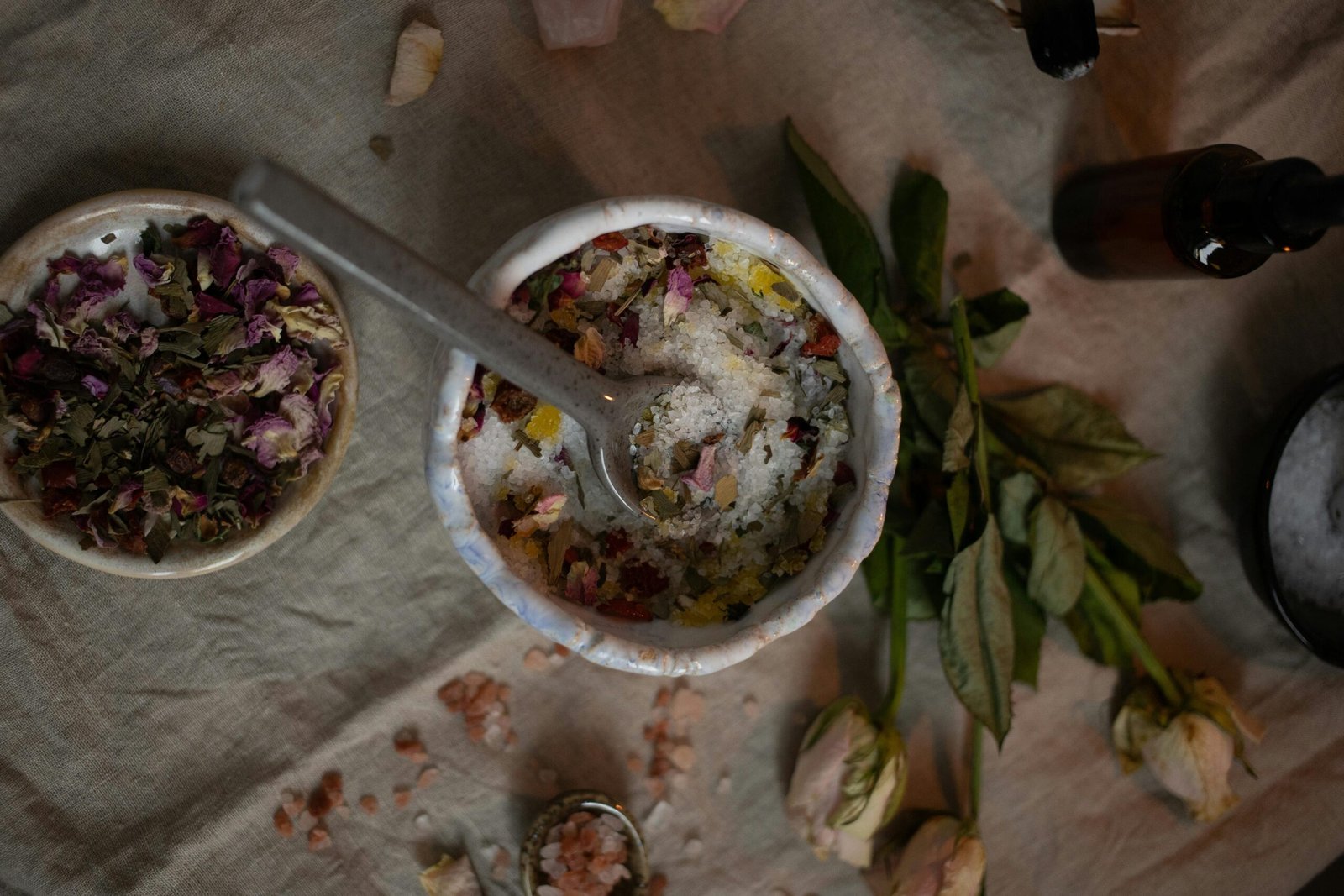
Bathing: Adding essential oils to bathwater to promote relaxation and skin benefits.
Safety Considerations
Dilution: Essential oils should be diluted before topical application to prevent skin irritation.
Allergies: Individuals should perform a patch test to check for allergic reactions.
Consultation: It’s advisable to consult healthcare professionals before starting any new natural remedy, especially for pregnant individuals or those with existing health conditions.
Real-Time Data and City Sources
Recent studies have highlighted the growing interest in natural remedies and aromatherapy. For instance, a resurgence in Ayurveda practices in India emphasizes the integration of diet, lifestyle, and natural therapies for holistic health.
In the United States, institutions like the Cleveland Clinic acknowledge the benefits of aromatherapy in reducing anxiety and improving sleep quality.
Frequently Asked Questions (FAQ)
Q1: Can natural remedies replace conventional medicine?
A1: Natural remedies can complement conventional treatments but should not replace prescribed medications without consulting a healthcare provider.
Q2: Are essential oils safe for children?
A2: Some essential oils can be safe for children when properly diluted, but it’s crucial to consult a pediatrician before use.
Q3: How long does it take to see results from aromatherapy?
A3: Effects can vary; some individuals may experience immediate benefits, while others may notice improvements over time with consistent use.
Q4: Can I ingest essential oils?
A4: Ingesting essential oils is generally not recommended unless under the guidance of a qualified healthcare professional.
Q5: Where can I purchase high-quality essential oils?
A5: Reputable health stores, pharmacies, and certified online retailers offer high-quality essential oils.
Conclusion
Natural remedies and aromatherapy offer holistic approaches to enhance well-being and address various health concerns. By understanding their benefits and applications, individuals can make informed decisions to incorporate these practices into their daily lives safely and effectively.
Note:
This article is for informational purposes only and does not constitute medical advice. Always consult with a healthcare professional before starting any new treatment.